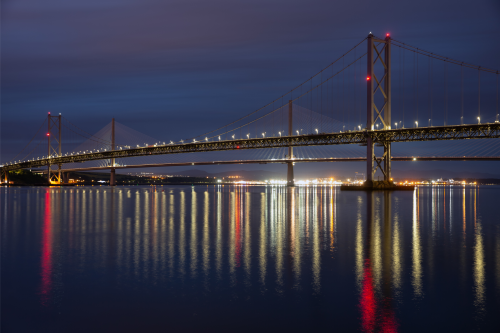
Supernova Forth Road Bridge is one of the most distinctive mass participation running events in Scotland. Taking place at night across the exposed span of the Forth Road Bridge, the event offers participants a rare opportunity to move on foot across an iconic structure under illuminated conditions. While the distance itself is relatively short, hydration still plays an important role in comfort, safety, and overall enjoyment, particularly because of the bridge’s unique environment.
Unlike sheltered city events or park-based night runs, Supernova Forth Road Bridge introduces factors such as wind exposure, height, changing temperatures, and heightened sensory awareness. These elements influence hydration needs in subtle but important ways. Understanding how hydration interacts with night running and exposed conditions allows participants to approach the event calmly and confidently, without overthinking or underpreparing.
Understanding the Unique Environment of the Forth Road Bridge
The Forth Road Bridge is an open, elevated structure spanning the Firth of Forth. At night, wind exposure is more noticeable, temperatures can drop quickly, and lighting alters perception of space and movement. These factors affect how the body experiences effort and fluid balance.
Wind increases evaporative fluid loss, even when temperatures feel cool. Participants may not notice sweating in the same way they would during a daytime event, yet fluid loss can still occur through breathing and light perspiration. At the same time, cooler air often suppresses thirst signals, making it easier to underestimate hydration needs.
The emotional impact of the setting also matters. Running across the bridge at night can be exhilarating and intense. Elevated adrenaline can increase heart rate and perceived effort, subtly raising hydration demand despite the short distance.
Hydration Earlier in the Day Sets the Foundation
As with all evening events, hydration for Supernova Forth Road Bridge begins earlier in the day. Drinking steadily from morning through late afternoon allows the body to regulate fluid properly, rather than relying on last-minute intake.
This approach is particularly important for an exposed event like this one. Starting even slightly dehydrated can increase feelings of light-headedness, fatigue, or unease when combined with wind and height. Spreading hydration across the day helps avoid these sensations.
Meals eaten earlier in the day also support hydration. Normal dietary sodium helps maintain fluid balance, especially for participants who tend to sweat more than average. There is no need for excessive electrolyte loading, but avoiding very low-salt eating on event day can be beneficial.
Alcohol should be approached with caution. Although Supernova events have a social atmosphere, alcohol contributes to dehydration and can impair balance and concentration—both important considerations when running on an exposed bridge at night.
Adjusting Hydration for an Evening Start Time
As the event approaches, hydration should gradually taper rather than increase sharply. Drinking normally through the afternoon, then easing off in the final hour before arrival, helps the body feel settled.
Many participants find it helpful to reduce fluid intake around 45 minutes before entering the start area. This minimises the need for toilet visits in a busy, low-light environment and reduces pre-event stress. Because the bridge setting can heighten nerves, feeling physically comfortable plays a large role in mental calm.
Thirst sensations in the evening are not always reliable. Wind, excitement, and cooler air can mask dehydration or create false thirst. Responding with small sips rather than large drinks keeps hydration controlled.
Managing Waiting Time and Exposure Before the Start
Supernova Forth Road Bridge often involves waiting time before participants begin moving. Standing on or near the bridge, particularly in windy conditions, can increase fluid loss even if temperatures feel low.
Wind accelerates evaporation from the skin and respiratory tract, which can increase dehydration without obvious sweating. Participants should be aware of this effect, especially if they feel slightly dry or light-headed while waiting.
Small sips of water can help if needed, but overhydration at this stage is more likely to cause discomfort than provide benefit. Mouth rinsing can also relieve dryness without adding volume to the stomach.
Hydration During Supernova Forth Road Bridge
For most participants, hydration during the event itself is not necessary. The distance is short enough that starting the run well hydrated will comfortably cover fluid needs.
However, Supernova Forth Road Bridge is a non-competitive, experience-focused event. If a participant feels uncomfortable, stopping briefly to take a sip of water is perfectly acceptable. The emphasis is on enjoyment and safety rather than uninterrupted pacing.
Any drinking during the run should be minimal. Large volumes can cause stomach discomfort or disrupt breathing rhythm, particularly in windy conditions where maintaining balance and focus is important.
Hydration, Balance, and Mental Comfort
Hydration supports cognitive function, balance, and coordination. These elements are especially important when running in an exposed, elevated environment at night. Even mild dehydration can increase feelings of dizziness or anxiety, particularly for participants who are sensitive to height or wind.
Starting the event properly hydrated helps participants feel steady and grounded, allowing them to enjoy the experience rather than fixating on physical sensations. This is particularly valuable for those taking part in a bridge crossing for the first time.
Temperature Regulation in Windy Conditions
Although night events reduce heat stress, wind introduces its own challenges. Cooling can occur rapidly when moving or standing still, which can make participants feel colder than expected.
Hydration supports circulation and temperature regulation. Starting dehydrated can make it harder for the body to adapt to changing temperatures, while overhydration can create a heavy, uncomfortable sensation. As with all hydration strategies, balance is key.
Post-Event Rehydration and Recovery
After completing Supernova Forth Road Bridge, hydration becomes more important than anything consumed during the run itself. Wind exposure often continues after finishing, and participants may remain outside socialising or walking back to transport.
Once breathing and heart rate have settled, begin rehydrating gradually. Water is helpful, but fluids combined with food are more effective for restoring balance. Including sodium through food or drink helps the body retain fluid and reduces the risk of headaches or fatigue later in the evening.
Because the event finishes at night, participants may be tempted to head straight home and overlook hydration. Making a conscious effort to drink fluids before bed supports recovery and improves how you feel the following day.
Building Confidence Through a Simple Hydration Plan
Supernova Forth Road Bridge is as much an emotional experience as a physical one. Hydration should support confidence, not create additional worry.
A simple approach works best: hydrate steadily during the day, reduce intake close to the start, don’t worry about drinking during the run unless genuinely needed, and rehydrate calmly afterwards. When hydration is predictable and familiar, participants can focus on the atmosphere, views, and sense of achievement.
Making the Experience Enjoyable from Start to Finish
Supernova Forth Road Bridge is designed to be memorable, inclusive, and unique. Hydration plays a quiet but important role in that experience, helping participants feel comfortable, safe, and present throughout the evening.
By approaching hydration with steady preparation rather than last-minute fixes, runners and walkers alike can fully appreciate the setting without distraction. When hydration is handled correctly, the event feels smoother, more enjoyable, and more confidence-building from arrival to departure.